Waterproof Laminate vs. LVP: Which Handles Water Better in Vancouver, WA?
October 26, 2026 · All About Floors NW
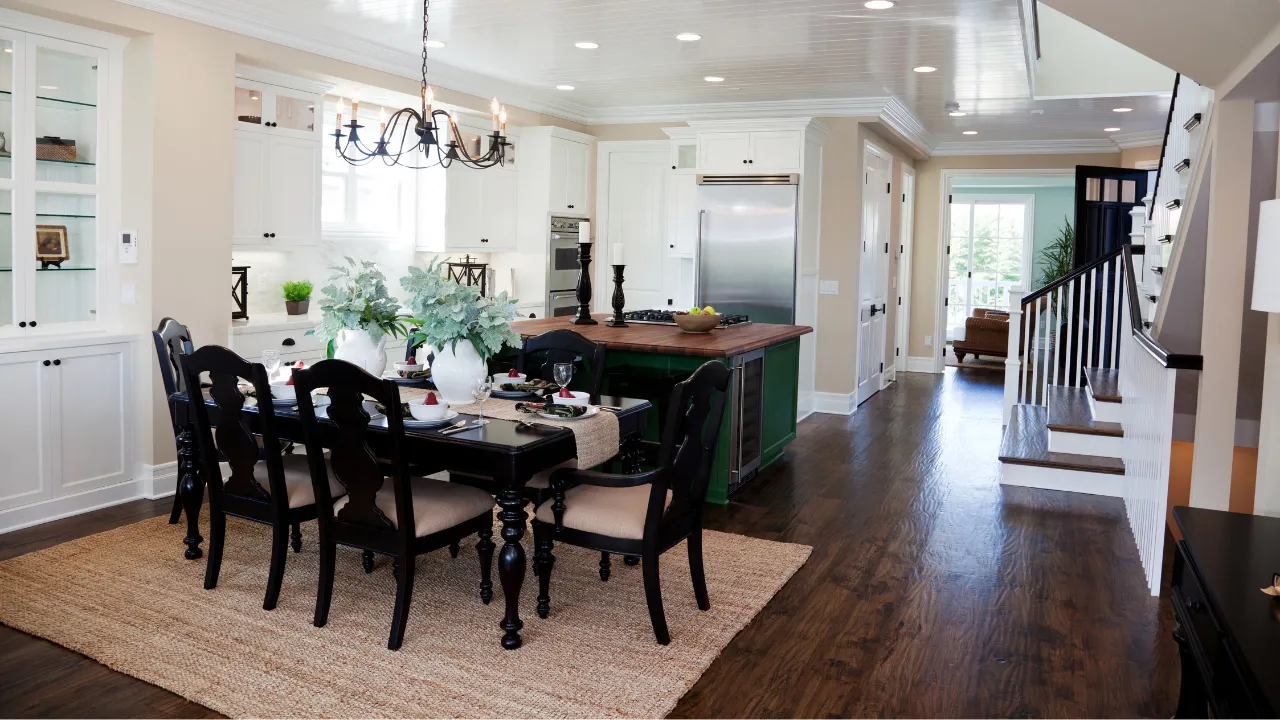
Five years ago this comparison was easy. LVP was waterproof and laminate wasn’t, so anywhere water might show up, you chose vinyl. Then the major laminate brands came out with waterproof lines, and now the two floors look almost the same on a showroom shelf and both say “waterproof” on the box.
They aren’t the same floor, and in a Vancouver house, where wet boots, wet dogs and wet raincoats come through the door for most of the year, the differences matter. This guide explains what “waterproof” covers for each, where each one wins, and which we recommend room by room.
If you’re comparing standard laminate with LVP, start with our original guide to LVP vs. laminate in a rainy climate. This post goes deeper on the newer waterproof laminate.
What’s actually different: the core
Both floors are built in layers: a printed design layer with a clear wear layer on top, a core, and often an attached pad. The core is where they split.
- LVP has a core of flexible vinyl, wood-plastic composite (WPC) or stone-plastic composite (SPC). None of these absorb water. You could leave a plank in a bucket and it would come out the same.
- Waterproof laminate has a high-density wood-fiber (HDF) core, the same basic material as standard laminate, but treated to repel water and paired with tighter, sealed locking joints and coated edges. Water stays on top instead of wicking into the seams.
That difference is why the warranties read differently. LVP is waterproof, period. Waterproof laminate is waterproof on the surface for a limited time.
What “waterproof” covers, and what it doesn’t
Waterproof laminate warranties generally cover topical water: spills, splashes, pet accidents, wet shoes. Most give you a window to clean it up, often somewhere between 24 and 72 hours depending on the brand and line. They typically exclude flooding, standing water and water coming from below, such as a leaking dishwasher line or a damp slab. Some lines require the perimeter or the expansion gap to be sealed in wet rooms.
LVP isn’t harmed by water on top no matter how long it sits.
Neither one protects the subfloor. This is the part most people miss. If a toilet supply line or dishwasher leaks under the floor, water spreads across the subfloor underneath the planks. A waterproof floor can actually hide a leak longer, because nothing swells on the surface. Either floor has to come up so the subfloor can dry. The good news is that both are floating click-lock floors, so in many cases the planks can be taken up, dried and reinstalled.
The practical rule: waterproof laminate is a big step up from old laminate and handles everyday water in a kitchen or entry with no trouble. LVP is the one to choose when water might sit for a while or come from below.
Head-to-head comparison
| Waterproof laminate | LVP (rigid core) | |
|---|---|---|
| Core | Sealed wood fiber (HDF) | Vinyl, WPC or SPC |
| Surface water | Protected for a limited window | Unaffected |
| Standing water / flooding | Not covered | Plank unaffected; subfloor still at risk |
| Scratch resistance | Better | Good |
| Dent resistance | Good | Better on SPC |
| Feel underfoot | Firmer, more like wood | Softer, slightly more give |
| Sound | Can sound hollow without good underlayment | Quieter |
| Realism | Very high; deep embossed textures | Very high on better lines |
| Direct sun and heat | Stable | Some lines expand in strong sun |
| Typical installed cost (Vancouver area) | Roughly $4 to $9 / sq ft | Roughly $6 to $13 / sq ft |
Where waterproof laminate wins
Scratch resistance. Laminate’s top layer is a hard wear surface rated on an abrasion scale, usually AC3 for homes and AC4 or AC5 for heavy use. It shrugs off dog claws, sliding chairs and the fine grit we track in all winter better than most vinyl wear layers. For a household with large dogs, that’s a real advantage.
Feel and look. Laminate is stiffer and feels more like a wood floor underfoot. The best lines have deep embossed textures and long, wide planks that are very hard to tell from hardwood. Our wide plank flooring guide covers the wide-plank options in both.
Sunrooms and big south-facing windows. Laminate stays stable in direct sun and heat. Some LVP, especially darker colors, can expand in strong sun behind large glass and needs a bigger expansion gap or a product rated for it.
Price. Waterproof laminate usually costs a little less than comparable LVP.
Where LVP wins
Water, no fine print. Kitchens with a dishwasher and ice maker, laundry rooms, full bathrooms, mudrooms and basements are where we still lean toward LVP. Nothing about the plank can be ruined by water.
Basements and slabs. Concrete gives off moisture, and Clark County basements tend to be damp. LVP handles a slab with a proper moisture barrier better than any wood-based product.
Comfort and sound. LVP is quieter to walk on and a little softer, which matters in upstairs bedrooms and condos.
Accidents. Puppies, older pets and kids in potty training. Urine that gets into a seam and sits overnight is the toughest test there is, and LVP handles it best. Our pet-friendly flooring guide goes deeper.
Dents. Rigid SPC cores resist dents from dropped pans and heavy furniture well.
Room-by-room recommendations for Vancouver homes
| Room | Our usual pick | Why |
|---|---|---|
| Living room, dining room, bedrooms | Either; waterproof laminate if you have big dogs | Scratch resistance and wood-like feel |
| Kitchen | Either, LVP if the dishwasher or fridge line has ever leaked | Both handle spills; LVP handles hidden leaks better |
| Entry and mudroom | Either, with a good mat | Wet boots and grit all winter |
| Powder room | Either | Sink and toilet only |
| Full bathroom | LVP or tile | Standing water near tub and shower |
| Laundry room | LVP | Washer leaks happen |
| Basement or slab | LVP | Moisture from below |
| Sunroom | Waterproof laminate, or a sun-rated LVP | Heat and UV |
| Rental unit | LVP | Tenants, water and fewer callbacks |
Many homes use both: waterproof laminate through the main living areas, and LVP in the laundry, baths and basement. Matching the color closely at the transitions is easy with the large lines we carry. See our guides to kitchen flooring, bathroom flooring and flooring for rental properties for those rooms.
Installation is similar, with a few differences
Both are floating click-lock floors installed over a flat subfloor, so the process is much the same. Our laminate installation guide and LVP installation guide walk through each. The differences that matter:
- Flatness. Laminate’s stiffer core is a little less forgiving of dips and humps in the subfloor. Expect leveling in older homes either way.
- Underlayment. Laminate needs a good underlayment to avoid a hollow, clicky sound, and a moisture barrier over concrete. Many LVP lines have a pad attached.
- Wet-room details. Some waterproof laminate lines require sealing the perimeter with silicone in kitchens and baths to keep the warranty. We follow the manufacturer’s instructions for the exact product.
- Cutting. Laminate is cut with a saw and makes dust. Most rigid LVP can be scored and snapped, which keeps the house cleaner on install day.
Brands we carry
For laminate we carry Quick-Step, Mohawk and Shaw, all of which make water-resistant or waterproof lines. For LVP we carry COREtec, Mohawk, Shaw, Quick-Step and Hallmark. Lines and warranty terms change, so we’ll show you the current water warranty on any product you’re considering before you buy. See the full selections on our laminate flooring and luxury vinyl plank pages, or read our vinyl flooring page for sheet vinyl and other options.
The short answer
- Choose waterproof laminate for living areas and bedrooms, especially with big dogs, sun-filled rooms, or if you want the floor that feels most like wood for the money.
- Choose LVP for full baths, laundry rooms, basements, slabs, rentals and any room where water could sit or come from underneath.
- Use both when the house has both kinds of rooms. That’s what we do for a lot of Vancouver families.
For more on water specifically, read our waterproof flooring guide. For prices, see our flooring cost guide.
See both side by side
The fastest way to decide is to stand on both. Our showroom at 6700 NE 152nd Ave #140 in Vancouver has waterproof laminate and LVP next to each other, Monday through Friday, 9 to 6. Or book a free in-home estimate and we’ll bring both to your house, check your subfloor, and quote each one so you can compare.
All About Floors NW has been flooring homes in Vancouver, Clark County and the Portland area since 1999, and every installation comes with a written workmanship warranty. Find your city on our service areas page, including laminate in Ridgefield, LVP in Vancouver, LVP in Battle Ground and laminate in Camas. In Portland, see LVP and laminate installation in Portland.
Or text (360) 525-2962 with the rooms you’re doing and whether you have pets.
Related reading
Frequently asked questions
- Is waterproof laminate really waterproof?
- The surface and the locked seams are, for a limited time. Waterproof laminate uses a sealed, water-repellent wood-fiber core and tightly locking joints, so spills, wet boots and pet accidents can sit on the surface without the planks swelling. Warranties typically cover topical water for a set window, often 24 to 72 hours depending on the product. The core is still wood fiber, so water that gets under the floor from a leak or flood can damage it.
- Is LVP more waterproof than waterproof laminate?
- Yes. LVP has a vinyl or stone-plastic composite core that does not absorb water at all, so the plank itself is unaffected even if water sits on it for days. That said, neither floor protects the subfloor under it. If water gets under either floor, it has to be pulled up and dried.
- Which is more scratch resistant, laminate or LVP?
- Laminate. Its top layer is a hard, aluminum-oxide-based wear surface that resists scratches from dog claws, chair legs and grit better than the vinyl wear layer on LVP. LVP resists dents better from dropped objects and doesn't chip at the edges, and it is quieter and softer underfoot.
- Can waterproof laminate go in a bathroom?
- Some waterproof laminate lines are rated for full bathrooms, but read the warranty carefully, because most exclude standing water and many require the perimeter to be sealed. In a full bath with a tub or shower, LVP or tile is the safer choice. In a powder room with only a sink and toilet, waterproof laminate is usually fine.
- Is waterproof laminate cheaper than LVP?
- Usually a little. In the Vancouver area, laminate installed typically runs roughly $4 to $9 per square foot and LVP roughly $6 to $13, with waterproof laminate lines toward the middle to upper end of the laminate range. The best lines of both overlap in price.
- Which is better for dogs, laminate or LVP?
- It depends on the dog. For big, active dogs whose claws scratch floors, a high-rated waterproof laminate holds up better. For puppies, older dogs and frequent accidents, LVP is the safer bet because its core can never absorb urine. Both are far better with pets than hardwood or carpet.